Salt-Air Corrosion on Sliding Door Tracks
If your patio door is east of A1A, your tracks are corroding 3x faster than inland homes. Here's what to watch for and when to swap parts before the corrosion takes out the whole frame.
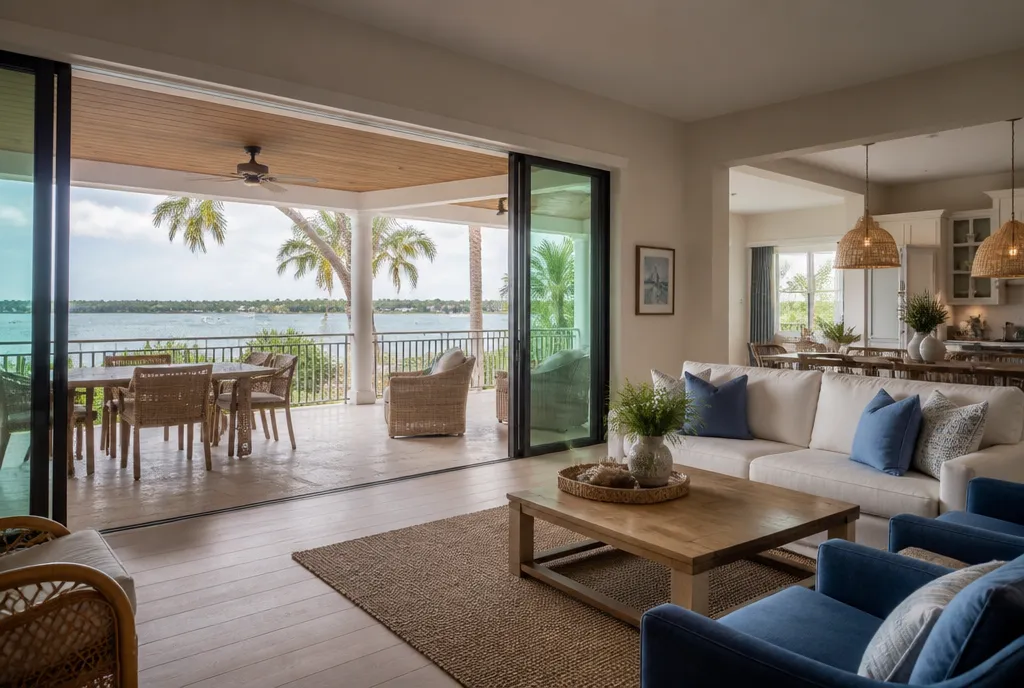
Jupiter, Tequesta, Juno Beach, and Singer Island homes share one underappreciated maintenance problem: salt-air corrosion attacks every aluminum and steel component on the house. Roof flashings, AC condensers, and door tracks all degrade faster within a quarter-mile of the ocean, and sliding doors get hit the hardest because their bottom track is a 6-foot-long horizontal collection point for salt mist.
How Salt Attacks Aluminum Tracks
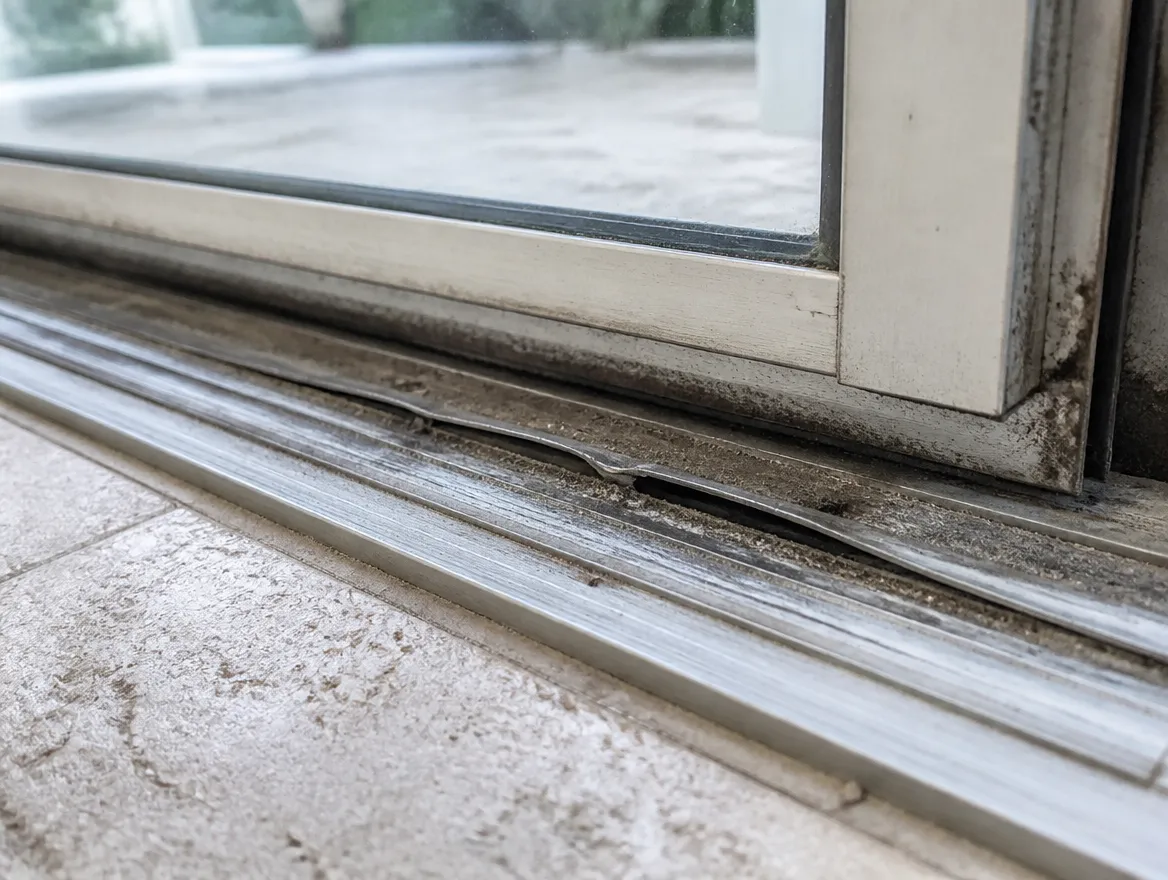
Aluminum forms a thin oxide layer that protects it under normal conditions. Salt-laden air carries chloride ions that puncture that oxide layer, exposing fresh aluminum that immediately oxidizes again, creating pitting corrosion. On a sliding door track, pitting shows up first as white flaky residue, then visible pinholes, then full thinning of the track wall. Once the track wall thins below about 1.5mm, rollers start punching through it under door weight.
3 Signs Your Track Needs Repair
1. White powder dust on the track. Aluminum oxide is non-toxic but cosmetically ugly and indicates active corrosion. Wipe the track clean, then check it again in a week, if the powder is back, the metal is actively shedding. Time for sliding door track repair or track capping.
2. Rollers catching at one specific spot. A pitted track creates a "speed bump" the roller can't smoothly cross. The door feels like it's dragging in one spot. This is the stage where rollers wear out 5x faster, which then accelerates damage to the track itself.
3. Visible pinholes in the track channel. This is the "fix-now" stage. Once you can see daylight through the track, full replacement is the only long-term option.
Other Salt-Vulnerable Components
The track gets the visible damage, but every metal part of your sliding door is corroding in parallel. The latch mechanism, footbolt, and roller bearings all degrade silently until they fail. For sliding door lock repair on coastal homes, we use marine-grade stainless replacement parts, regular zinc-plated steel only lasts 2-3 years near the water.
Impact-rated sliding doors aren't immune either. The perimeter seal can fail from salt accumulation, breaking the impact certification, so impact sliding door repair is worth scheduling every 3-4 years on oceanfront homes. Same for impact window repair, the silicone glazing degrades from UV + salt combined.
Maintenance That Actually Slows Corrosion
Rinse your sliding door tracks with fresh water every 2 weeks during the dry season, weekly during winter onshore wind. Vacuum out grit and apply a thin film of silicone-based lubricant (NOT WD-40, the petroleum carrier breaks down faster in heat). Replace screen frames before salt rust starts pitting the slider channel, screen door replacement is cheap insurance.
When to Call
If your tracks haven't been serviced in 5+ years and you live east of US-1, it's worth a free inspection. Call (561) 354-9004 for same-day or next-day service. We'll measure track thickness, check the perimeter seal, and quote any repair before any work starts.